

Vegetables are often called “nature’s medicine,” and for good reason. Packed with vitamins, minerals, antioxidants, and fiber, they play a vital role in keeping the body healthy. Despite being so beneficial, many people still don’t eat enough vegetables in their daily meals. By understanding the benefits of vegetables for the body, you’ll be more motivated to add them to your diet every day.
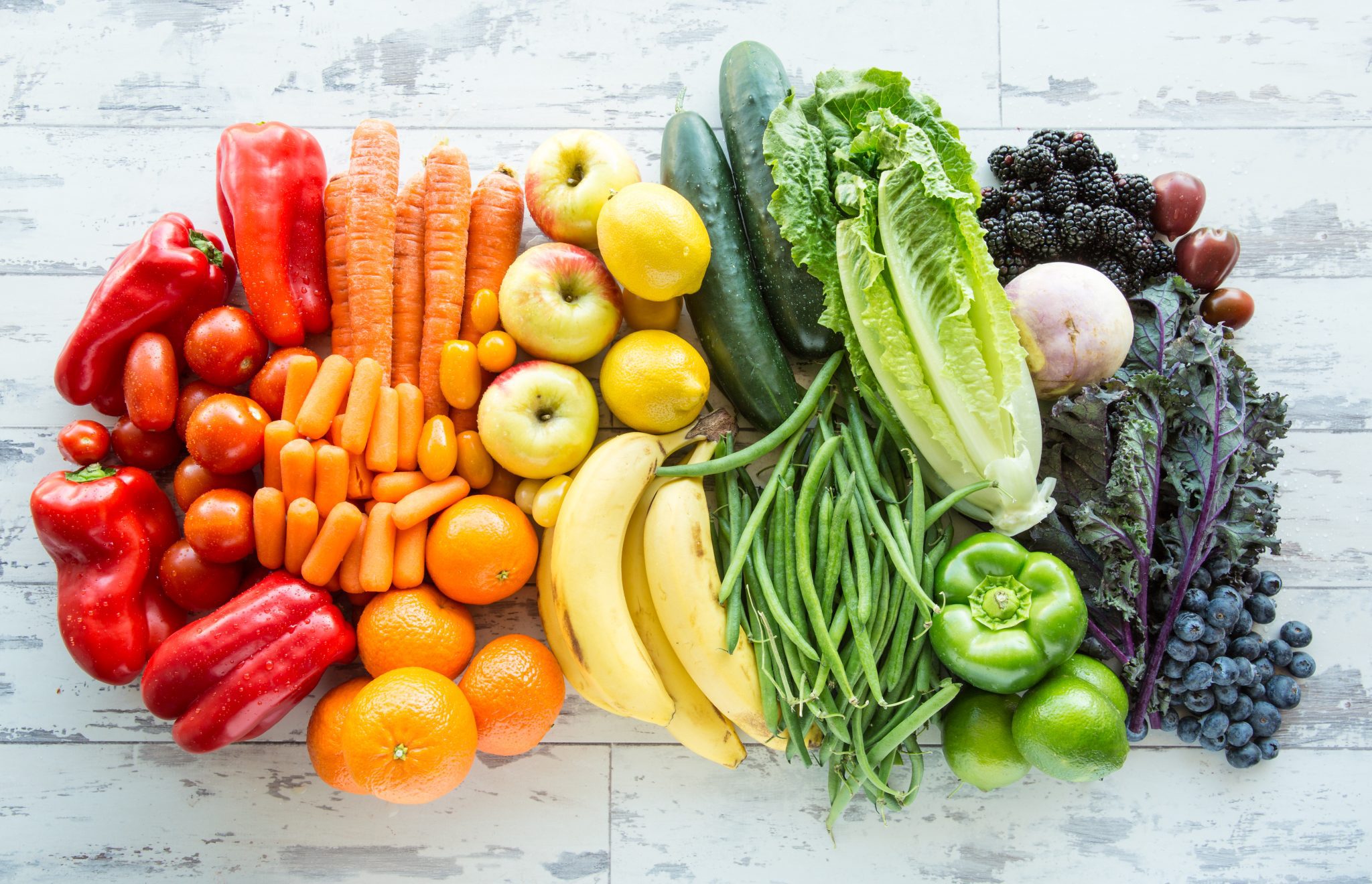
In this article, we’ll explore why vegetables are essential, what they do for your health, and how you can enjoy them in simple, delicious ways.
1. Rich Source of Essential Nutrients
Vegetables are full of vital nutrients that the body needs to function properly. They contain:
- Vitamins such as A, C, K, and B-complex.
- Minerals like potassium, magnesium, calcium, and iron.
- Antioxidants that fight free radicals and protect against cell damage.
Each vegetable provides a unique nutrient profile. For example, carrots are high in vitamin A for eye health, while leafy greens like spinach are loaded with iron and calcium.
2. Supports Digestive Health
Vegetables are naturally high in dietary fiber, which aids digestion and promotes regular bowel movements. Fiber also supports gut health by feeding beneficial bacteria in the intestines. Eating a variety of vegetables helps prevent constipation and reduces the risk of digestive issues like irritable bowel syndrome (IBS).
3. Helps With Weight Management
If you’re trying to lose or maintain weight, vegetables are your best friend. They are low in calories but high in volume, meaning they keep you full for longer without adding unnecessary calories. Replacing processed snacks with fresh vegetables like cucumbers, carrots, or bell peppers can make weight management much easier.
4. Strengthens the Immune System
The vitamins and antioxidants in vegetables play a key role in boosting immunity. For example:
- Vitamin C (found in broccoli and bell peppers) enhances immune function.
- Vitamin A (found in sweet potatoes and kale) protects the body’s natural defenses.
- Zinc and other minerals contribute to faster healing and disease prevention.
By eating a colorful mix of vegetables, you give your body the tools it needs to fight infections and stay healthy.
5. Protects Heart Health
Vegetables are excellent for maintaining a healthy heart. Leafy greens, tomatoes, and cruciferous vegetables like broccoli help lower blood pressure and reduce cholesterol. The fiber content also helps remove excess cholesterol from the bloodstream, lowering the risk of heart disease and stroke.
6. Reduces Risk of Chronic Diseases
A vegetable-rich diet is linked to a reduced risk of many chronic illnesses, including type 2 diabetes, obesity, and certain cancers. Antioxidants in vegetables protect cells from damage, while anti-inflammatory compounds reduce the risk of long-term health problems.
7. Improves Skin and Hair Health
Vegetables don’t just keep your body healthy on the inside—they also improve your appearance. Nutrients like vitamin C, vitamin E, and beta-carotene promote glowing skin, faster healing, and stronger hair. For example, spinach and kale are excellent for collagen production, while cucumbers help keep the skin hydrated.
How to Add More Vegetables to Your Diet
- Start meals with a salad or vegetable soup.
- Add spinach, kale, or zucchini to smoothies.
- Roast vegetables for a flavorful side dish.
- Snack on carrot or cucumber sticks instead of chips.
- Experiment with stir-fries, stews, or grilled vegetable recipes.
Conclusion
The benefits of vegetables for the body are undeniable. From improving digestion and supporting immunity to protecting the heart and preventing chronic diseases, vegetables are a cornerstone of good health. By eating a colorful variety every day, you’ll not only nourish your body but also boost your energy, improve your skin, and maintain a healthier weight.
Remember: the more colors on your plate, the better your body will feel. Make vegetables a daily habit, and you’ll enjoy the rewards for a lifetime.