

In a world increasingly dominated by sedentary lifestyles and digital screens, the concept of “sports fitness” stands as a vital antidote. More than just competitive activity, engaging in regular, rigorous physical training—whether through team sports, individual athletics, or structured gym work—offers a mosaic of advantages that touch every facet of human life. It is an investment that yields dividends not only in physical health but also in mental fortitude, emotional stability, and social connection. This article delves deep into the multifaceted benefits of integrating sports fitness into one’s daily existence.
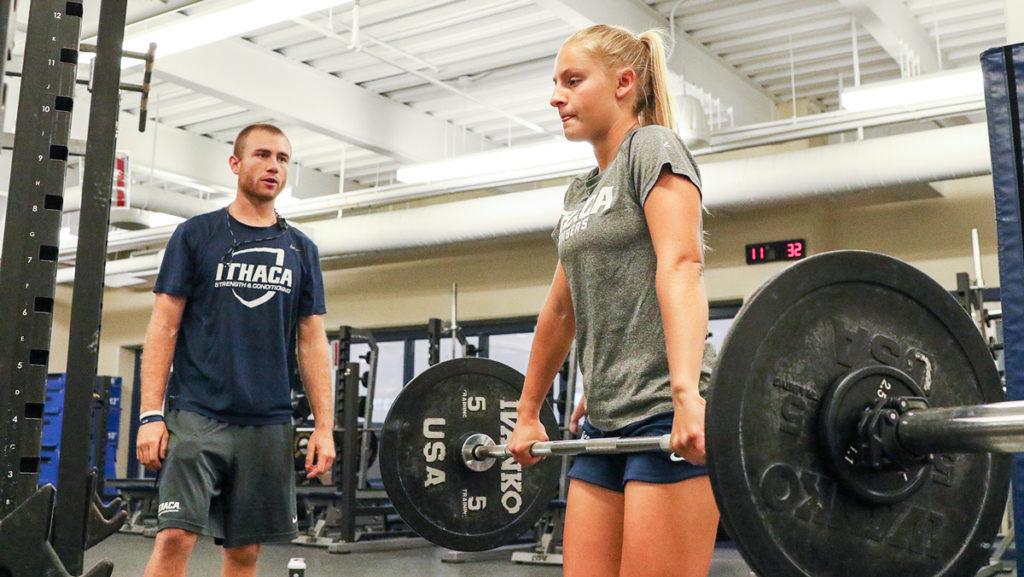
I. The Unassailable Physical Benefits
The most immediate and apparent benefits of sports fitness are those related to the physical body. Regular activity is the bedrock of longevity and quality of life.
Cardiovascular and Respiratory Resilience
Sports, particularly aerobic activities like running, swimming, or basketball, are supreme for the heart and lungs. They train the cardiovascular system to operate more efficiently.
- Lowering Risk Factors: Consistent training significantly lowers blood pressure and reduces harmful cholesterol levels ($LDL$), while boosting beneficial cholesterol ($HDL$). This drastically cuts the risk of coronary heart disease, stroke, and type 2 diabetes.
- Enhanced Oxygen Uptake: Regular exertion improves lung capacity, allowing the body to use oxygen more effectively. This means less fatigue during daily tasks and improved stamina.
Musculoskeletal Strength and Integrity
Sports fitness is crucial for maintaining a strong framework as we age, combating the natural decline in muscle mass and bone density.
- Increased Bone Density: Weight-bearing exercises, such as lifting or playing sports that involve impact (like soccer or tennis), stimulate bone tissue growth, making bones stronger and reducing the risk of osteoporosis and fractures later in life.
- Joint Health and Flexibility: Movement lubricates the joints and strengthens the supporting muscles and ligaments. This improves range of motion and helps mitigate chronic pain associated with conditions like arthritis.
Weight Management and Metabolic Health
Physical activity burns calories and builds metabolically active muscle tissue, making it the most sustainable strategy for maintaining a healthy body weight.
- Improved Metabolism: Muscle tissue burns more calories at rest than fat tissue, meaning a fitter body has a higher basal metabolic rate (BMR).
- Better Insulin Sensitivity: Regular exercise makes cells more responsive to insulin, helping to regulate blood sugar levels and preventing the onset of metabolic syndrome.
II. Cognitive and Psychological Superiority
The mind-body connection is undeniable, and the mental advantages derived from sports fitness are often as transformative as the physical ones.
Stress Reduction and Mood Enhancement
Engaging in vigorous activity is one of nature’s most effective stress relievers.
- The Endorphin Rush: Exercise triggers the release of endorphins, natural mood elevators that can alleviate symptoms of depression and anxiety, leading to the widely reported “runner’s high” or post-workout euphoria.
- A Productive Distraction: Physical exertion provides a healthy and engaging break from mental stressors and rumination, allowing the brain to reset.
Sharpened Cognitive Function
The physical stress of exercise stimulates the release of growth factors, notably brain-derived neurotrophic factor (BDNF), which promotes the growth of new brain cells and neural connections.
- Improved Focus and Memory: Studies consistently show that fitter individuals perform better on memory and concentration tasks.
- Delayed Cognitive Decline: Regular activity is strongly associated with a reduced risk of neurodegenerative diseases, keeping the brain agile and resilient as the years pass.
III. Social and Character Development
For those who engage in team sports or participate in a fitness community, the advantages extend into the realm of social and personal character development.
Cultivating Teamwork and Leadership
Team sports provide a natural laboratory for developing crucial interpersonal skills.
- Communication and Collaboration: Success in a team setting demands effective communication, conflict resolution, and the ability to work towards a shared objective.
- Discipline and Goal-Setting: Adhering to training schedules, pushing through fatigue, and focusing on incremental improvements instills an unparalleled sense of discipline and the ability to set and achieve complex, long-term goals.
Boosting Self-Esteem and Body Image
Achieving fitness milestones—running a faster time, lifting a heavier weight, or mastering a new skill—is a powerful source of self-efficacy.
- Confidence through Competence: The feeling of competence gained through mastering a physical challenge translates directly into increased confidence in other areas of life, from the professional to the personal.
- Positive Body Image: Focusing on what the body can do rather than solely on aesthetics leads to a healthier, more positive, and functional body image.
Conclusion: An Investment in a Fulfilling Life
The advantages of sports fitness are far-reaching, establishing a holistic foundation for a vigorous and fulfilling life. It is not merely about achieving a certain weight or winning a game; it is about building a body and mind resilient enough to handle life’s challenges. From fortifying the heart and strengthening the bones to clearing the mind and fostering essential social skills, the benefits compound over time. Embracing sports fitness is not a luxury; it is a fundamental act of self-care and a commitment to optimizing one’s existence. The time, effort, and sweat invested today promise a healthier, sharper, and more confident self tomorrow.