

Cosmetic surgery, once a niche domain, has become a widely discussed and accessible option for individuals seeking physical transformation and enhanced self-confidence. It represents a fascinating intersection of surgical expertise, advanced medical technology, and aesthetic artistry, offering solutions for everything from refining facial features to contouring the body. However, the decision to undergo a cosmetic procedure is profound, requiring careful consideration, thorough research, and realistic expectations.
This article serves as an essential guide to understanding the landscape of cosmetic surgery—delineating the difference between cosmetic and reconstructive procedures, exploring popular treatments, and, most importantly, providing critical advice on navigating the process safely and responsibly.
Cosmetic vs. Reconstructive: Understanding the Difference
While the terms plastic surgery and cosmetic surgery are often used interchangeably, there is a technical distinction based on the procedure’s goal:
- Reconstructive Surgery: Focuses on restoring function and correcting deformities caused by birth defects, trauma, burns, or disease (e.g., breast reconstruction after mastectomy). It is generally considered medically necessary and is often covered by insurance.
- Cosmetic Surgery: Focuses solely on enhancing appearance. The procedures are elective and performed on normal structures of the body to improve aesthetic appeal, symmetry, and proportion (e.g., liposuction, breast augmentation, facelift). These procedures are typically not covered by insurance.
A reputable plastic surgeon will often specialize in both, but it is vital for patients to understand the elective nature and associated costs of cosmetic procedures.
Navigating the Popular Landscape of Procedures
The scope of cosmetic surgery is vast, but procedures are generally grouped by the area of the body treated:
1. Facial and Head Procedures
These surgeries aim to reverse signs of aging or refine specific features:
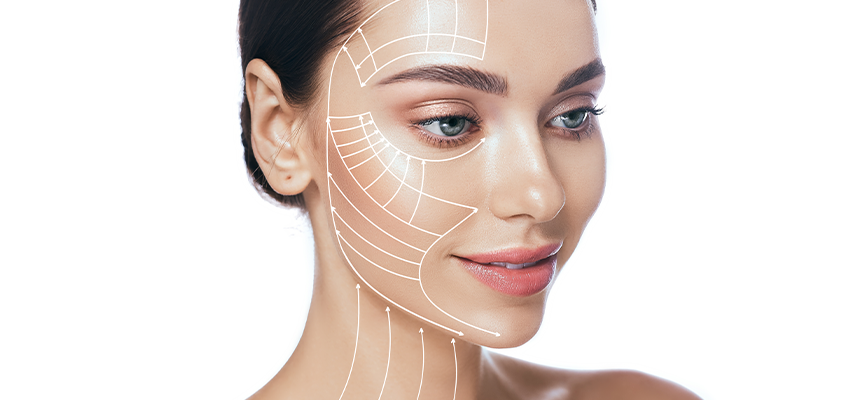
- Rhytidectomy (Facelift): Tightens facial tissues, removes excess skin, and repositions underlying muscle and fat to provide a more youthful contour to the jawline and neck.
- Blepharoplasty (Eyelid Surgery): Corrects drooping eyelids and removes bags under the eyes, often dramatically improving one’s tired appearance.
- Rhinoplasty (Nose Surgery): Reshapes the nose to improve its appearance or to address breathing difficulties.
2. Breast Procedures
Among the most common procedures, these aim to enhance or restore breast appearance:
- Augmentation (Mammoplasty): Uses implants (saline or silicone) to increase breast size and improve symmetry.
- Reduction: Removes excess tissue and skin to reduce breast size, often done for both cosmetic reasons and to alleviate physical discomfort (back pain).
- Mastopexy (Lift): Raises and reshapes drooping breasts by removing excess skin and tightening surrounding tissue.
3. Body Contouring Procedures
These focus on sculpting the body by removing excess fat and skin:
- Liposuction: Removes localized fat deposits from areas like the abdomen, thighs, or arms that resist diet and exercise.
- Abdominoplasty (Tummy Tuck): Removes excess skin and fat from the abdomen and tightens weakened abdominal muscles, often following major weight loss or pregnancy.
The Critical Steps: Choosing Safety and Success
The decision to proceed with cosmetic surgery is serious. Success hinges on preparedness, realistic expectations, and, above all, the choice of surgeon.
1. Realistic Expectations are Essential
Cosmetic surgery can refine and improve, but it cannot deliver perfection or solve deep-seated emotional or psychological issues. Patients must have a healthy, stable self-image and clearly understand the limitations and potential outcomes of the procedure. A good surgeon will refuse to operate on patients whose expectations are unattainable or who seek surgery for the wrong reasons.
2. Vetting Your Surgeon is Paramount
This is the single most important step. Your surgeon must be qualified, experienced, and board-certified in plastic surgery.
- Board Certification: Verify that the surgeon is certified by the appropriate national board (e.g., the American Board of Plastic Surgery or its international equivalent). This ensures they have completed rigorous training specific to the field.
- Experience and Hospital Privileges: Choose a surgeon who has extensive experience with your specific procedure and holds privileges to perform that surgery at accredited hospitals.
- Communication: The surgeon should be communicative, honest about risks, and willing to answer all your questions thoroughly.
3. Understanding the Recovery Process
Cosmetic surgery involves a true surgical recovery, not a spa treatment. Recovery time, pain management, swelling, and bruising are guaranteed parts of the process. Patients must adhere strictly to post-operative instructions, including restrictions on physical activity, to ensure optimal healing and results.
Conclusion: A Decision Driven by Knowledge
Cosmetic surgery offers powerful tools for transformation and improved self-perception. However, it is an elective process demanding the utmost caution. Success is not measured solely by the final aesthetic outcome, but by the safety of the procedure, the quality of the surgeon, and the psychological preparedness of the patient.
By thoroughly understanding the scope of the surgery, prioritizing board certification, and maintaining realistic expectations, individuals can make informed choices that lead to satisfying, safe, and positive enhancements to their appearance and confidence. Knowledge is the most vital step in any successful cosmetic journey.
Would you like to know more about the typical recovery timelines for specific procedures like a facelift or tummy tuck, or explore the non-surgical alternatives available?